David Protein Bar Review (2025): The Ultimate High Protein, Zero Sugar Snack?
In the ever-expanding universe of high protein snacks, finding a bar that truly delivers on nutrition without tasting like sweetened cardboard can feel like a quest for the Holy Grail. Enter the David Protein Bar, a contender that’s been generating buzz for its impressive macros and dessert-like flavors. With a bold claim of 28 grams of protein packed into a mere 150 calories and zero sugar, it sounds almost too good to be true. This David Protein Bar Review (2025) will dive deep into what these bars offer, from their ingredient profile and nutritional benefits (exploring "are David protein bars healthy?" and their "David protein bar macros") to the all-important taste factor. If you're searching for a low calorie protein bar or a zero sugar protein bar that doesn't compromise on flavor, read on to see if David Protein Bars are the answer.
Unpacking the Hype: What Makes David Protein Bars a Unique Choice?
The protein bar market is fiercely competitive, with brands constantly vying to offer the best nutritional profile, taste, and value. So, what allows David Protein Bars to stand out from the crowd? The distinction lies primarily in their remarkable protein-to-calorie ratio and their commitment to a clean ingredient profile, particularly their zero-sugar claim.
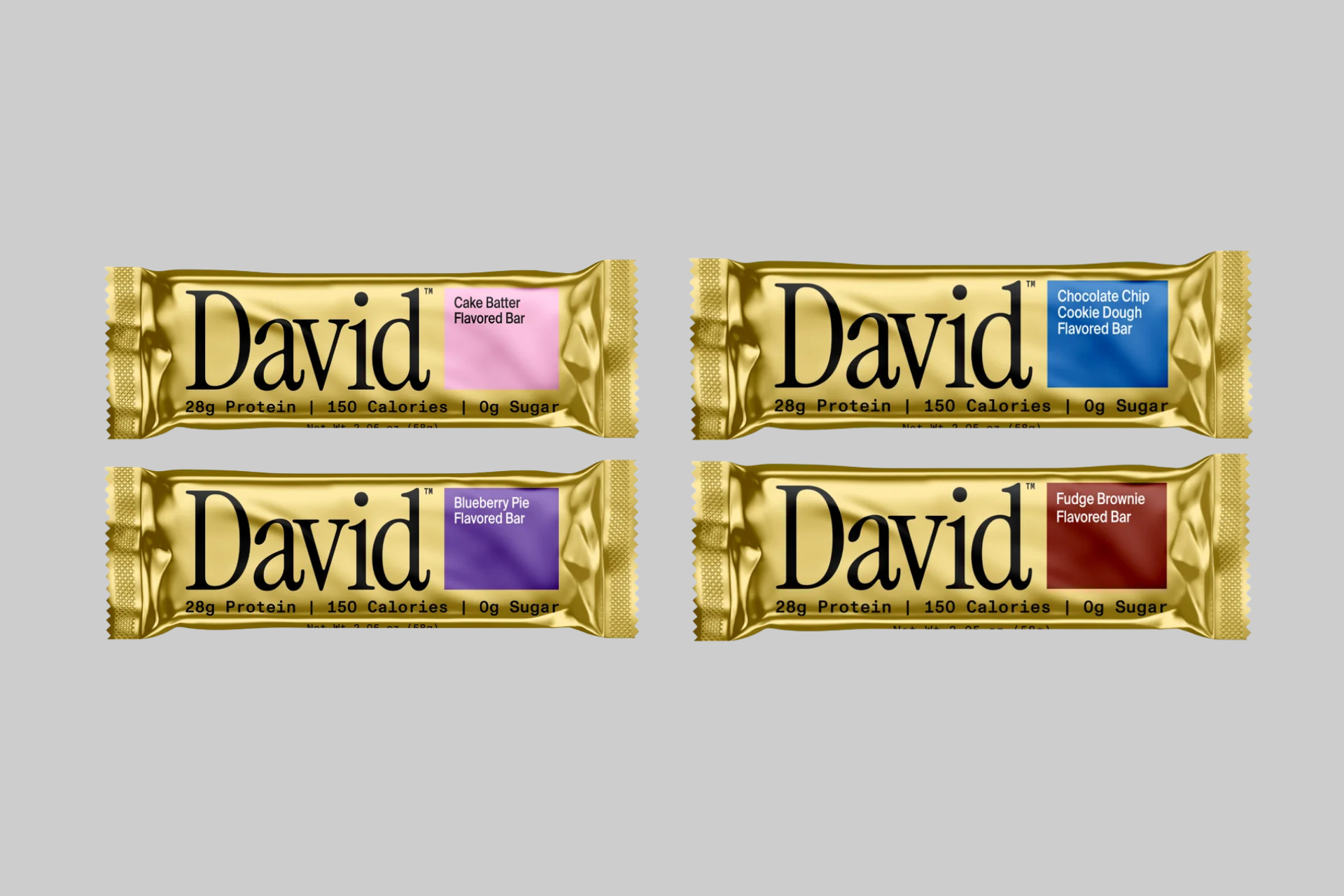
A standout feature is the sheer density of protein: each bar delivers a substantial 28 grams of protein while keeping the calorie count down to just 150. This is a significant achievement, as many bars with similar protein content often carry a much higher caloric load, frequently exceeding 200 or even 250 calories, often with added sugars or higher fat content. David Protein Bars boast that approximately 75% of their calories come directly from protein (CFP - Calories From Protein). This high CFP makes them an exceptionally efficient way to boost protein intake without consuming excess calories, fats, or sugars, aligning perfectly with the search for effective high protein snacks.
Furthermore, the protein utilized isn't just any protein; it's a diverse blend designed for optimal absorption and utility. The formulation aims for a perfect 1.0 Protein Digestibility-Corrected Amino Acid Score (PDCAAS). This score is a method of evaluating protein quality based on both the amino acid requirements of humans and their ability to digest it. A score of 1.0 is the highest possible, indicating that the protein provides an excellent amino acid profile for muscle building, repair, and overall bodily functions, including the health of skin, hair, and nails. This meticulous approach to protein quality is a key differentiator for those serious about their nutritional intake. The zero-sugar aspect, achieved using natural sweeteners like Allulose, monk fruit, and stevia, further solidifies its position as a unique offering in a market often saturated with sugar-laden options.
Are David Protein Bars Healthy? A Closer Look at Ingredients & Nutrition
When evaluating if a protein bar is truly "healthy," a detailed look at its ingredient list and overall nutritional composition is essential. Many consumers ask, "are David Protein Bars healthy?" Let's break down what goes into them.
The Powerhouse Protein Blend
As mentioned, David Protein Bars deliver 28 grams of protein per bar. This isn't from a single source but a multi-component blend typically including Milk Protein Isolate, Collagen, Whey Protein Concentrate, and Egg White. This combination offers a full spectrum of amino acids. Milk Protein Isolate and Whey Concentrate are fast-digesting and rich in branched-chain amino acids (BCAAs), crucial for muscle protein synthesis. Collagen provides specific amino acids beneficial for connective tissues, skin, and joint health. Egg white protein is another high-quality, easily digestible source. This blend contributes to the high PDCAAS score, ensuring the protein is not just abundant but also highly bioavailable.
Sweeteners and Binders: The Zero Sugar Secret
The "zero sugar" claim is a major draw. Instead of traditional sugars or sometimes harsh sugar alcohols that can cause digestive upset in some individuals, David Protein Bars (as per their Sample Pack page) utilize a "Flavor System" with natural sweeteners like Allulose, stevia extract, and monk fruit extract. Allulose is a particularly interesting ingredient; it's a rare sugar that tastes like sucrose but has minimal calories (about 0.4 calories per gram compared to sugar's 4) and doesn't significantly impact blood glucose or insulin levels. This makes it an excellent choice for a zero sugar protein bar and suitable for individuals monitoring their sugar intake, including those on ketogenic or low carb protein bars. Binding agents like Polydextrose (a type of soluble fiber that can also act as a prebiotic) and glycerin help give the bar its structure and texture without adding sugars. The absence of artificial sweeteners in their core Sample Pack line is a significant plus for health-conscious consumers.
Fats and Other Components
The fat content in David Protein Bars is kept relatively low, contributing to their low-calorie profile. The "Fat System" mentioned on their website includes ingredients like EPG (Esterified Propoxylated Glycerol), which is a modified plant-based oil designed to provide the mouthfeel and properties of fat but with significantly fewer digestible calories. Coconut oil may also be present. This innovative approach to fat content helps maintain a satisfying texture while keeping calories in check. They are also often gluten-free, catering to another common dietary requirement.
Considering the high-quality protein blend, the use of natural, low-impact sweeteners, and innovative fat sources, David Protein Bars present a strong case for being a healthier option compared to many conventional protein bars or sugary snacks. They manage to deliver impressive David protein bar macros without relying on a long list of artificial additives.
The Taste Test: Do David Protein Bars Live Up to the Flavor Claims?
Nutrition and ingredients are paramount, but let's be honest: if a protein bar doesn't taste good, it's unlikely to become a regular part of anyone's routine. So, the crucial question is: are David Protein Bars actually good? The brand markets its bars as rivaling favorite desserts, with enticing flavor names like Chocolate Chip Cookie Dough, Cake Batter, Peanut Butter Chocolate Chunk, Fudge Brownie, and Blueberry Pie. This sets high expectations.
Popular Flavors on Trial (e.g., Chocolate Chip Cookie Dough, Cake Batter)
Based on general sentiment and the variety offered, flavors like Chocolate Chip Cookie Dough and Peanut Butter Chocolate Chunk are often fan favorites in the protein bar world. The initial positive feedback suggests these live up to expectations, often described as tasting "really freaking good." The goal is to mimic the indulgent experience of these classic treats. For example, a Chocolate Chip Cookie Dough bar should ideally have that familiar sweet, slightly buttery dough essence with pleasant chocolate notes. Cake Batter should evoke the simple joy of licking the spoon. The success of these flavors often hinges on the quality of the natural flavorings and the effectiveness of sweeteners like Allulose, monk fruit, and stevia in providing sweetness without a noticeable artificial aftertaste – a common pitfall for many zero sugar protein bars. The David Protein Bar's commitment to natural flavor systems seems to pay off here, making them strong contenders for "best tasting protein bars" in their category.
Texture and Overall Palatability
Texture is just as important as flavor. Protein bars can range from chalky and dry to overly chewy or unpleasantly dense. David Protein Bars generally aim for a softer, more enjoyable texture, often described as smooth. The binding system (Allulose, Polydextrose, glycerin, tapioca starch, soy lecithin) and fat system (EPG, coconut oil) play critical roles here. A good texture complements the flavor, making the bar feel more like a genuine treat rather than a purely functional supplement. The combination of satisfying texture and rich flavors, without the guilt of sugar, is what makes these bars appealing to a broad audience, from fitness enthusiasts to busy individuals seeking a convenient and tasty protein boost.
David Protein Bar Macros: Fueling Fitness and Everyday Life
Understanding the macronutrient breakdown – the "David protein bar macros" – is key for anyone looking to integrate these bars into their specific dietary plan, whether for muscle gain, weight management, or simply as a healthier snack alternative.
Each David Protein Bar typically provides:
- Protein: 28 grams – This is a substantial amount, ideal for post-workout recovery to support muscle repair and growth. It also contributes significantly to satiety, helping to keep hunger at bay between meals.
- Calories: Around 150 – This exceptionally low-calorie count for such a high protein content is a major selling point, making it an excellent choice for those on calorie-controlled diets or those who want to maximize protein intake without a large caloric impact.
- Sugar: 0 grams – As a zero sugar protein bar, it’s suitable for diabetics (though individual consultation with a doctor is always recommended), those on ketogenic diets, or anyone actively reducing their sugar consumption.
- Net Carbs: The net carbohydrate count is typically very low. This is due to the use of Allulose, which is mostly not metabolized by the body like traditional carbohydrates, and ingredients like Polydextrose, which is a fiber. This makes them very low carb protein bars.
- Fat: The fat content is also kept minimal, contributing to the low overall calorie count.
These macros make David Protein Bars highly versatile. For athletes and regular gym-goers, the high protein content supports muscle recovery and development. For individuals focused on weight management, the combination of high protein (which promotes fullness) and low calories/low sugar can be very beneficial. Even for those simply seeking a nutritious, on-the-go snack to bridge meal gaps or satisfy a sweet craving without derailing their healthy eating habits, the macro profile is highly favorable.
The Verdict: Pros, Cons, and Who Should Reach for a David Protein Bar
After reviewing the ingredients, nutritional information, taste profile, and macros, it's time to weigh the pros and cons to help determine if David Protein Bars are the right choice for you.
The Pros: Why Choose David Protein Bars?
- Exceptional Protein-to-Calorie Ratio: 28g of protein for only 150 calories is hard to beat.
- Zero Sugar & Low Carb: Ideal for those managing sugar intake, following low-carb or ketogenic lifestyles.
- High-Quality Protein Blend: Utilizes a diverse mix of proteins with a high PDCAAS score for optimal absorption and use.
- Natural Sweeteners & Flavors: The Sample Pack line emphasizes no artificial sweeteners or flavors, using Allulose, monk fruit, and stevia.
- Good Taste & Texture (Reportedly): Many users find them to be among the best tasting protein bars, with dessert-like flavors and a pleasant texture.
- Convenience: Easy, portable source of high-quality protein and a satisfying snack.
- Often Gluten-Free: Caters to individuals with gluten sensitivities.
Potential Cons and Considerations
- Price Point: Specialty protein bars with high-quality ingredients can sometimes be more expensive than standard options.
- Specific Ingredient Sensitivities: While generally clean, individuals with sensitivities to dairy (from whey/milk protein), egg, soy (lecithin is often soy-derived), or specific fibers like Polydextrose should check labels carefully.
- Collagen Source: If the collagen is animal-derived (which is typical), this wouldn't suit vegans or some vegetarians.
- Availability: Depending on location, they might be primarily available online or in specialty stores rather than all mainstream grocers.
Are David Protein Bars Right for You?
David Protein Bars are an excellent option for:
- Fitness Enthusiasts: Those needing a high-protein, low calorie protein bar post-workout snack or supplement.
- Weight Management: Individuals looking for filling, low-sugar, low-calorie snacks to support their goals.
- Low-Carb/Keto Dieters: The macro profile fits well within these dietary approaches.
- Busy Individuals: Anyone needing a quick, convenient, and nutritious snack on the go.
- Health-Conscious Snackers: Those who prioritize clean ingredients and want to avoid excess sugar and artificial additives.
If you value a high protein yield per calorie, appreciate natural ingredients, and don't want to sacrifice taste for nutrition, then exploring the range of David Protein Bars is certainly recommended.
Final Thoughts: Are David Protein Bars Your Next Go-To Healthy Treat in 2025?
After a thorough review, David Protein Bars make a compelling case for themselves in the crowded market of high protein snacks. Their standout feature – an impressive 28 grams of protein for just 150 calories with zero sugar – combined with a commitment to natural sweeteners and flavors (in their Sample Pack line) positions them as a premium choice. The question of "are David protein bars good?" seems to be met with a resounding yes by many, particularly concerning their taste which aims to mimic indulgent desserts. Furthermore, for those scrutinizing labels and asking "are David protein bars healthy?", the thoughtful ingredient selection, including a high-quality protein blend and innovative low-calorie components, points towards a positive answer.
While individual taste preferences and dietary needs will always vary, the well-balanced David protein bar macros make them a versatile option suitable for a wide range of goals, from muscle building to weight management, or simply as a smarter snacking choice. If you're looking for a low calorie protein bar or a zero sugar protein bar that genuinely delivers on both nutrition and flavor, the David Protein Bar lineup is definitely worth considering as a staple in your healthy eating arsenal for 2025. They seem to have cracked the code on providing a satisfying, guilt-free treat that truly fuels your body.
 David Protein on Instagram