
Starlink for Homes (Residential) Review (2025): High-Speed Satellite Internet Redefined?
For millions living in rural or underserved areas, reliable high-speed internet has long been an elusive dream, a critical gap in the digital divide. Starlink, the satellite internet constellation operated by SpaceX (often associated with "Elon Musk wifi"), aims to change that paradigm with its Starlink for Homes (Residential) service. This Starlink review for 2025 will delve into how this innovative satellite internet service performs, its setup process, costs, and whether it truly delivers on its promise of bringing fast, low-latency connectivity to virtually anywhere. As more people ask "can I get Starlink for my house?" and wonder "how much is Starlink for home?", we'll explore if it's the best satellite internet provider for those beyond the reach of traditional broadband.
TL;DR:
- Starlink for Homes (Residential service) by SpaceX provides a revolutionary high-speed, low-latency satellite internet solution, specifically designed to deliver reliable and robust connectivity to rural, remote, and underserved areas where traditional broadband options are often unavailable or severely limited.
- Utilizing an advanced and rapidly expanding constellation of low Earth orbit (LEO) satellites, Starlink offers impressive download and upload speeds suitable for streaming high-definition video, online gaming, video conferencing, and remote work, all with a relatively straightforward self-installation process involving a user-friendly dish and router.
- While the initial hardware cost and monthly service fees represent a notable investment, Starlink is a game-changing technology for many, effectively bridging the digital divide and offering a viable, high-performance path to robust internet access, positioning it as one of the best satellite internet provider choices for its target demographic.
What is Starlink for Homes? Elon Musk's Vision for Global Internet Access
Starlink for Homes, officially known as Starlink Residential, is a satellite internet service provided by SpaceX, the aerospace company founded by Elon Musk. Its ambitious goal is to deliver high-speed, low-latency broadband internet access to virtually any location on Earth, particularly focusing on areas where traditional internet infrastructure (like fiber optic, cable, or DSL) is unreliable, unavailable, or prohibitively expensive. Unlike traditional geostationary satellite internet services that are often plagued by high latency (delay) due to the immense distance of the satellites from Earth, Starlink utilizes a massive constellation of thousands of small satellites in low Earth orbit (LEO). This significantly reduces latency, making Starlink suitable for activities like online gaming, video conferencing, and real-time applications that are often problematic with older satellite internet technologies. The "elon musk wifi" endeavor is about blanketing the globe with accessible, high-performance internet, and the residential service is the cornerstone of this vision for "starlink for my home."
How Starlink Works: LEO Satellites and Ground Equipment (Dishy & Router)
Understanding the technology behind Starlink helps appreciate its capabilities and limitations.
Low Earth Orbit (LEO) Satellite Constellation
The core of the Starlink system is its vast network of LEO satellites. These satellites orbit much closer to Earth (typically around 550 kilometers) compared to traditional geostationary satellites (around 35,786 kilometers). This proximity dramatically reduces the round-trip time for data signals, resulting in significantly lower latency – often comparable to ground-based broadband services. SpaceX is continuously launching more satellites to expand coverage and capacity.
User Terminal ("Dishy")
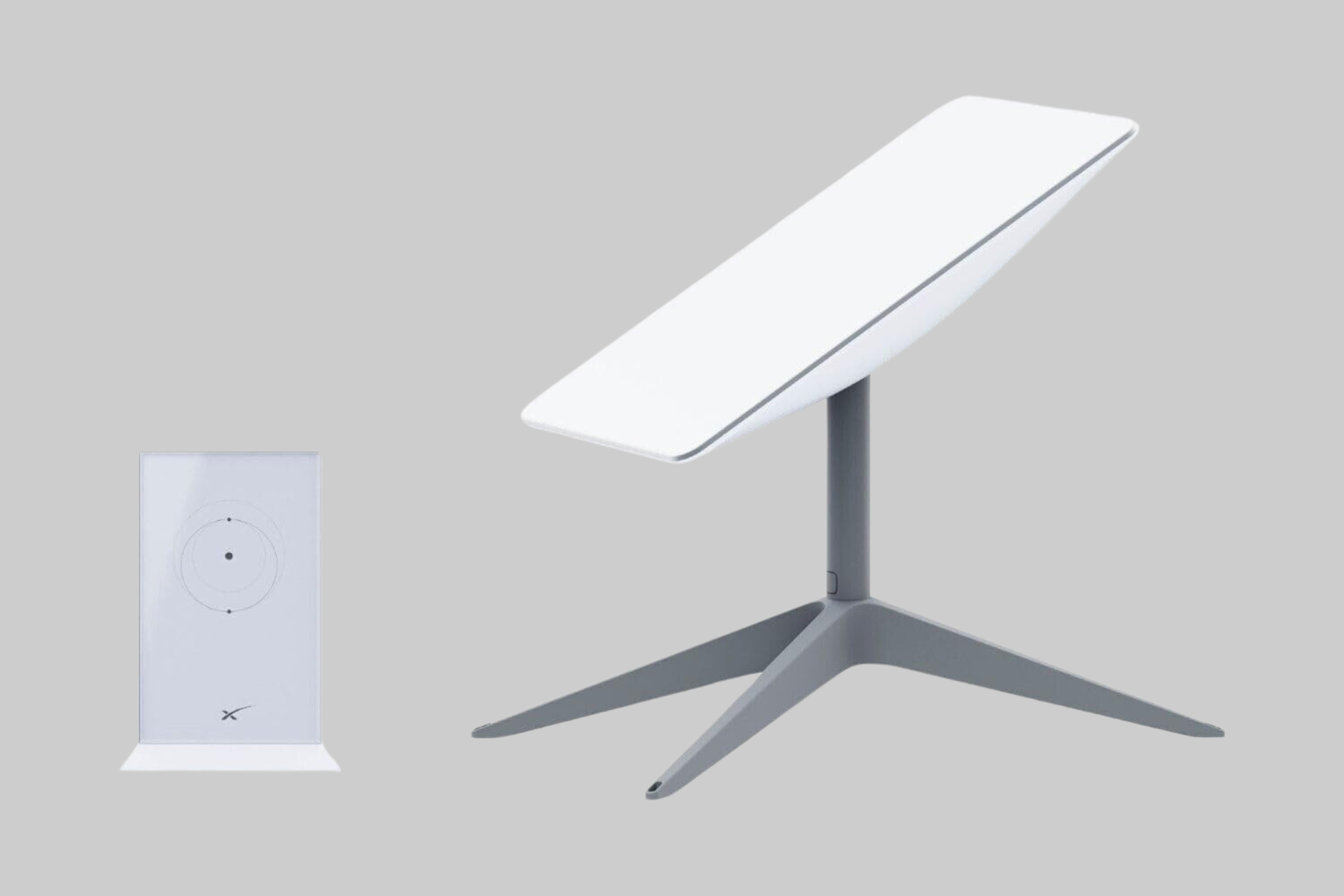
To connect to the Starlink network, users need a Starlink user terminal, affectionately nicknamed "Dishy McFlatface" or simply "Dishy." This is a phased-array satellite dish that automatically orients itself to track the LEO satellites as they move across the sky. The dish needs a clear view of the sky, free from obstructions like trees or buildings, to maintain a stable connection. Newer versions of Dishy are more compact and have improved motors and weather resistance.
Router and Connectivity
The Dishy connects via a proprietary cable to a Starlink Wi-Fi router provided in the kit. This router then broadcasts a Wi-Fi signal throughout the home, allowing multiple devices (computers, smartphones, smart TVs, etc.) to connect to the internet. The setup is designed to be user-friendly, with most users able to self-install the equipment following instructions provided in the Starlink app.
Performance & Speed: Real-World Experience with Starlink's High-Speed Satellite Internet
Performance is a key consideration for any internet service, and Starlink aims to deliver high-speed satellite internet.
Download and Upload Speeds
Starlink Residential typically offers download speeds ranging from 25 Mbps to 220 Mbps or higher, with upload speeds often between 5 Mbps and 20 Mbps. These speeds can vary depending on location, network congestion, time of day, and specific service plan. While not always matching the gigabit speeds of some urban fiber connections, these speeds are a significant improvement for many rural internet options, enabling HD/4K streaming, online gaming, large file downloads, and smooth video conferencing.
Low Latency
As mentioned, the LEO satellite constellation allows for much lower latency (ping times) than traditional satellite internet, typically ranging from 20ms to 60ms. This low latency is crucial for real-time applications like online gaming, VoIP calls, and video conferencing, making Starlink a viable option for these activities where older satellite services struggled significantly.
Reliability and Weather
Starlink is designed to work in various weather conditions, including rain, snow, and wind. The dish itself often has a snow-melt feature. However, extremely severe weather (very heavy rain or snow) can occasionally cause temporary signal degradation or outages, though the system is generally robust. As the satellite constellation grows, redundancy and coverage improve, further enhancing reliability.
Installation, Cost, and Availability: "Can I Get Starlink for My House?" & "How Much is Starlink for Home?"
Practical considerations like installation, cost, and availability are crucial for potential Starlink users.
Self-Installation
Starlink is designed for user self-installation. The kit comes with the Dishy, a mount (various mounting options are available for roofs, poles, or ground placement), the Wi-Fi router, and necessary cables. The Starlink app guides users through the process of finding an optimal location for the dish (with a clear view of the sky) and setting up the connection. Most users find the installation process straightforward.
Hardware and Monthly Costs
The cost of Starlink involves a one-time hardware fee for the Dishy and router, and a monthly service fee. "How much is starlink for home?" is a common question, and prices can vary by region and over time. As of early 2025, the standard hardware kit might be around $599 USD, with a monthly residential service fee around $120 USD in many areas of the US, though this is subject to change and regional variations. There are no long-term contracts typically, and data is often unlimited for residential plans, though fair use policies might apply during network congestion.
Availability: "Can I Get Starlink for My House?"
Starlink's availability has been rapidly expanding globally. Interested users can check availability for their specific address on the Starlink website. In some areas, there might be a waitlist due to high demand or capacity limitations in certain satellite cells, but coverage is continually improving. It's primarily targeted at areas where traditional broadband is lacking, so urban areas with existing high-speed fiber or cable might not be prioritized or even eligible for residential service if capacity is constrained. The question "starlink for home and rv" also arises; Starlink offers separate plans for RVs/portability which have different terms and often allow for pausing service, but may have lower priority on the network compared to fixed residential users.
Starlink Review: Pros, Cons, and Is It the Best Satellite Internet Provider for You?
This Starlink review aims to summarize the key benefits and drawbacks.
Pros:
- High-Speed Internet for Rural & Remote Areas: A game-changer for underserved locations.
- Low Latency (for Satellite): Suitable for gaming, video calls, and streaming.
- Unlimited Data (Typically for Residential): No restrictive data caps on most standard plans.
- Easy Self-Installation: User-friendly setup process.
- Continuously Improving Network: SpaceX is constantly launching more satellites, enhancing coverage and capacity.
- Good Performance in Various Weather Conditions: Generally reliable service.
Cons:
- Higher Upfront Hardware Cost: The Dishy and router kit is a significant initial investment.
- Monthly Service Fee: Can be more expensive than some traditional broadband options (where available).
- Requires Clear View of the Sky: Obstructions like tall trees or buildings can impact service.
- Speed Fluctuations: As a satellite service, speeds can vary based on network load and satellite visibility, though generally much better than older satellite tech.
- Power Consumption: The Dishy consumes a noticeable amount of power, which might be a consideration for off-grid users.
- Customer Support: As a newer, rapidly expanding service, customer support experiences have varied.
When considering accessories like a "starlink booster for home" to improve Wi-Fi coverage within the house, standard Wi-Fi mesh systems or extenders are compatible with the Starlink router if the included router's range isn't sufficient for a large home.
Is It the Best Satellite Internet Provider?
For users in areas with no other viable high-speed internet options, Starlink is often not just the best satellite internet provider, but the *only* viable high-speed option. It dramatically outperforms traditional geostationary satellite services in terms of speed and latency. The decision often comes down to comparing its cost and performance against very limited or non-existent terrestrial alternatives.
Final Connection (2025): Is Starlink Residential the Future of Home Internet?
Starlink for Homes (Residential) has undeniably revolutionized the landscape of internet access, particularly for those in rural, remote, and underserved regions. This Starlink for homes review for 2025 has highlighted its impressive capabilities, delivering high-speed, low-latency satellite internet that supports modern digital life – from streaming and gaming to remote work and education. The ease of self-installation and the ever-expanding LEO satellite constellation managed by Elon Musk's SpaceX demonstrate a commitment to bridging the digital divide. While the upfront hardware costs and monthly fees are an investment, the value it provides to those previously cut off from reliable broadband is immense. For many, Starlink is not just an internet service; it's a lifeline to connectivity and opportunity, making it a truly transformative technology and a leading choice for a significant portion of the global population seeking robust internet access.